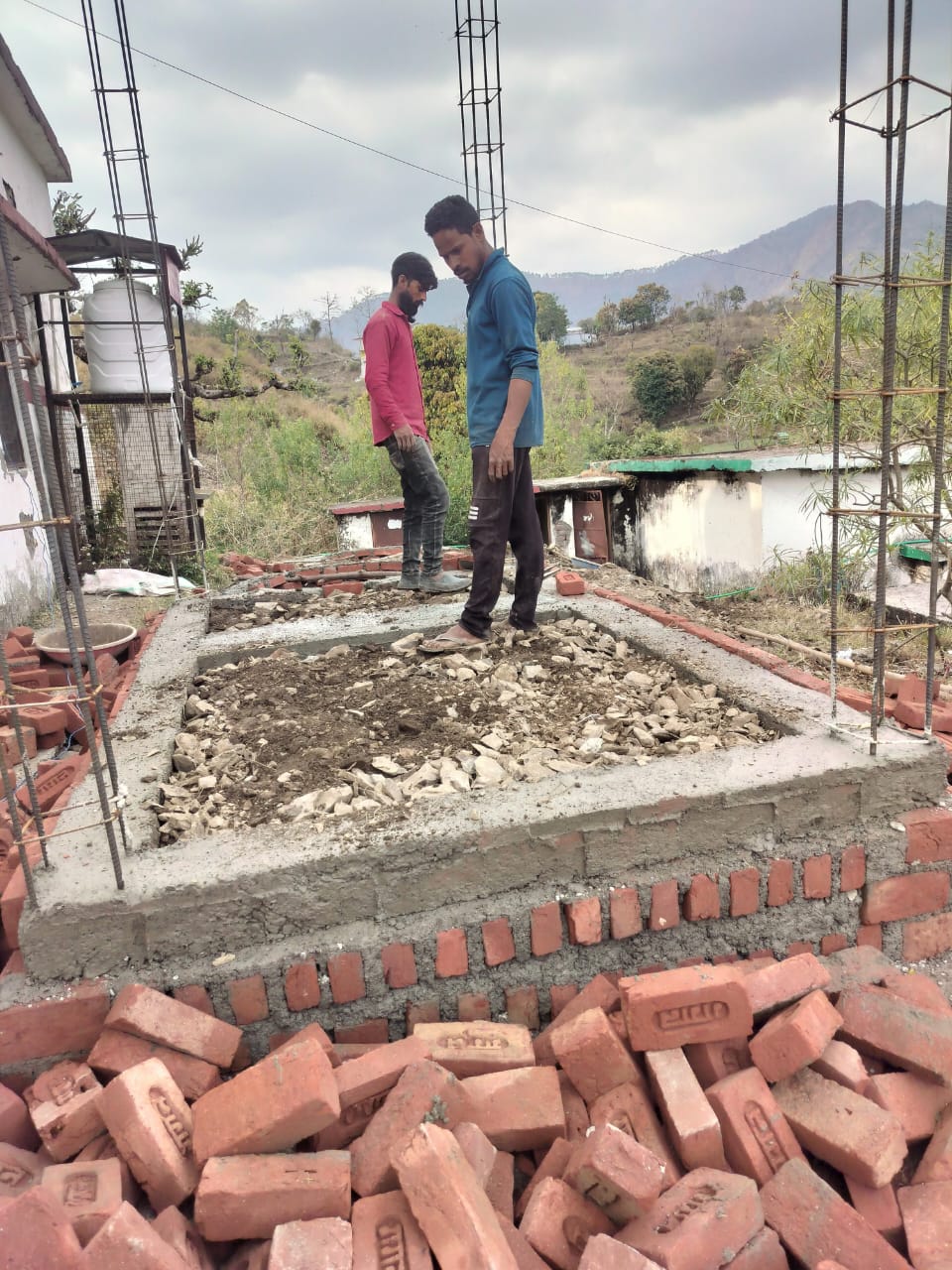
Why PBGVT Matters - Eco Friendly Toilets
Why PBGVT Matters - Eco Friendly Toilets
Hygienicaily and technically appropriate, and socio-culturally acceptable.
• Affordable and easy to construct with locally available materials. Design and specifications can be modified to suit householde/'s needs and affordability.
• Eliminates mosquito, insect and fly breeding.
• Can be constructed in different physical, geological and hydrogeological conditions. -*^» Free from health hazards and does not pollute surface or ground water, if proper precautions and
safeguards are taken during construction.
• Can be located within the premises as it is free from foul smell and fly/mosquito nuisance etc.
• Can be constructed on upper floors of houses.
• Pits are generally designed for 3-year desludging interval, but if desired, it can be designed for longer periods or it can be reduced even to two years.
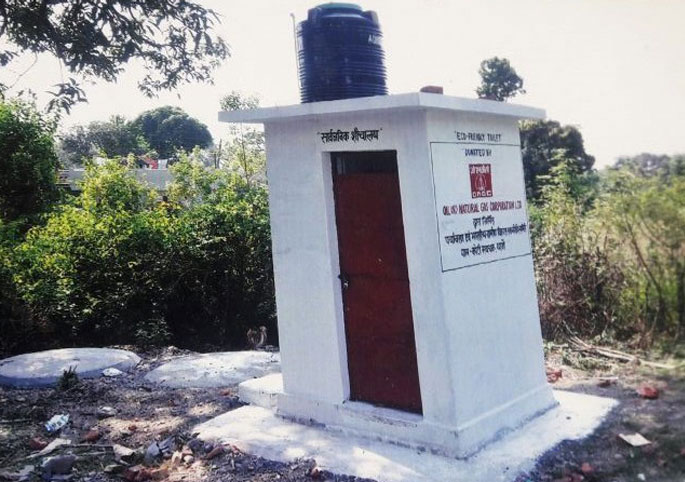
• Maintenance is easy, sinyple-ancTcosts very little.
• Needs only 1 to 1.5 litres of water for flushing, while conventional flush toilet needs 12 to 14 litres of water.
Needs less space than a septic tank toilet system. ^ Does not need scavengers for cleaning the pits or disposal of sludge. This can be done by the householder. Mft Makes available rich fertilizer and soil conditioner.
• Can be easily connected to sewers when introduced in the area.
• A low volume flushing cistern could be attached to avoid pour flushing.
Sulabh flush compost toilet does not cause water pollution. When constructed in homogeneous horizontally, bacteria do not travel more than 3 metres, and vertically the seepage is not more than 1 metre, this is to be added the precaution that the toilet is built at a safe distance from the source of water, keeping the above points in mind. If there is a tube-well or hand pump sunk, the first joint should be lower than the limit of the vertical seepage. No vent pipe is needed since the gas gets absorbed in the soil facing the chamber, as the brick lining inside is in lattice formation. The parameters change depending upon the coarseness of the soi and the type of terrain where the toilet is being constructed. Depending on the availability of space, the snap of pits may be designed. It may be rectangular, circular or linear in shape. It fulfills all the seven conditions of sanitary latrine laid down by the WHO. (Excreta Disposal for Rural Areas and Small Communities by E. Wagner & J.N. Lanoix, WHO, 1958, pp. 39). The surface soil should not be contaminated.
There should be no contamination of ground water that may enter springs or wells.
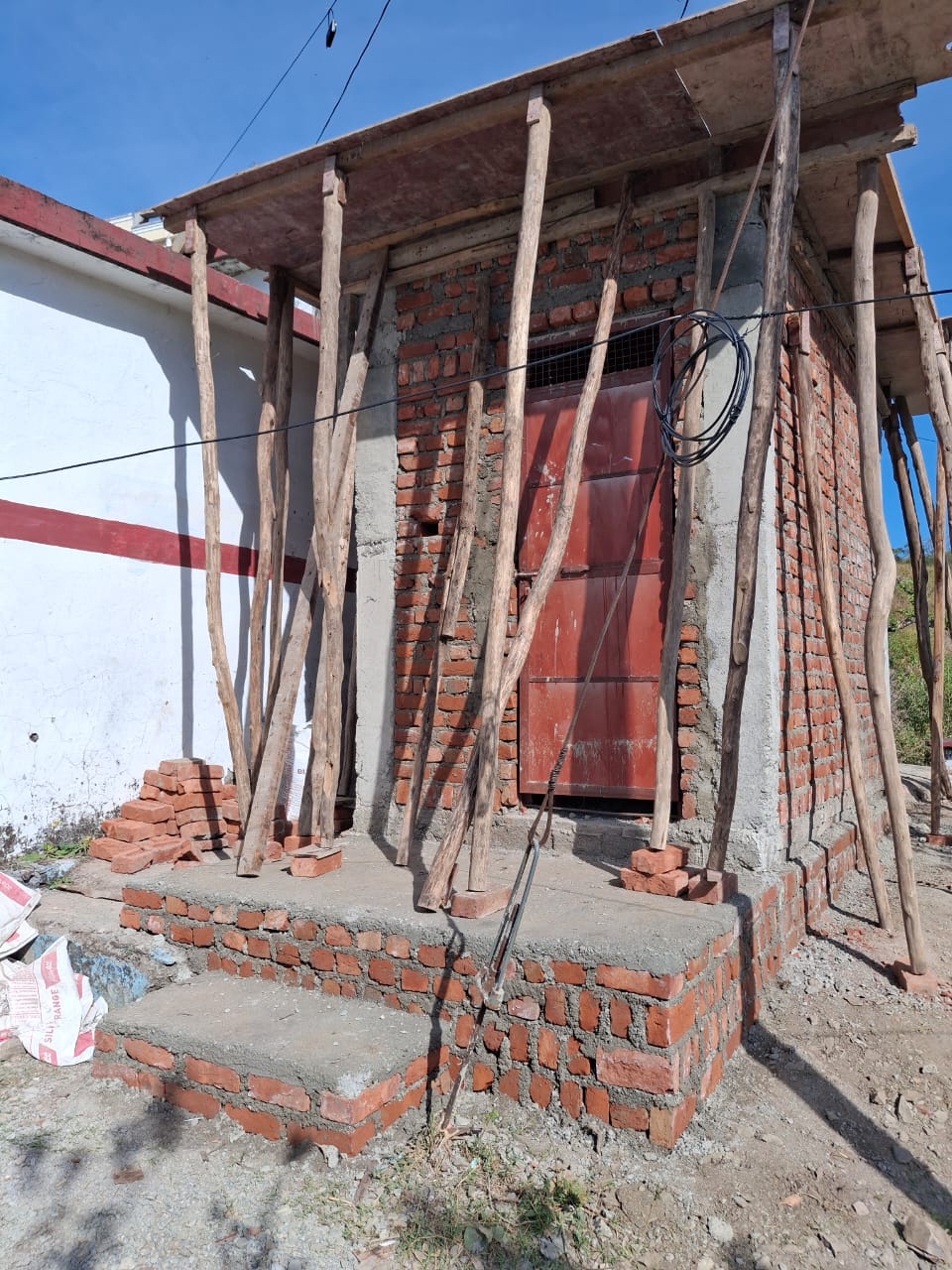
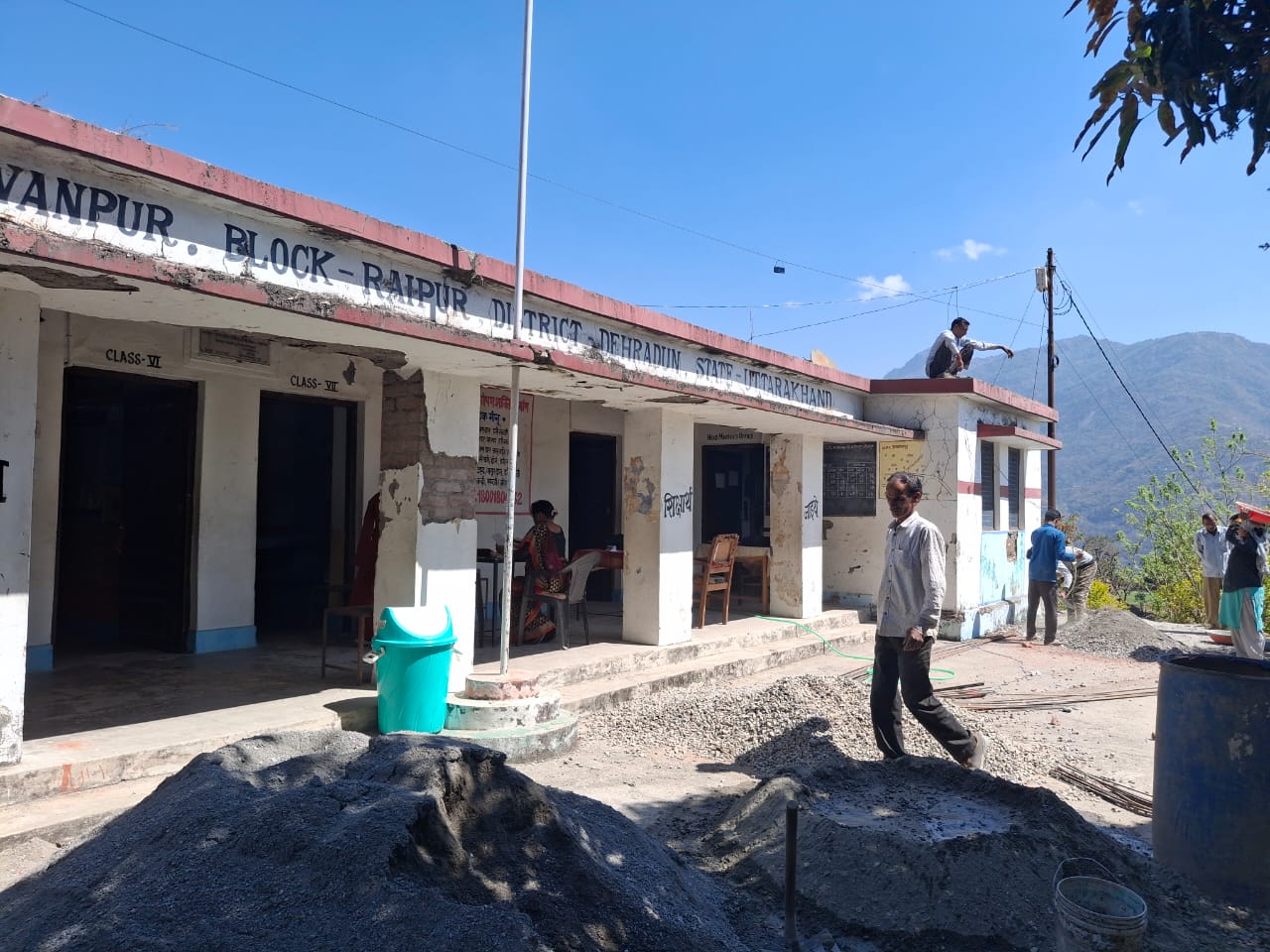
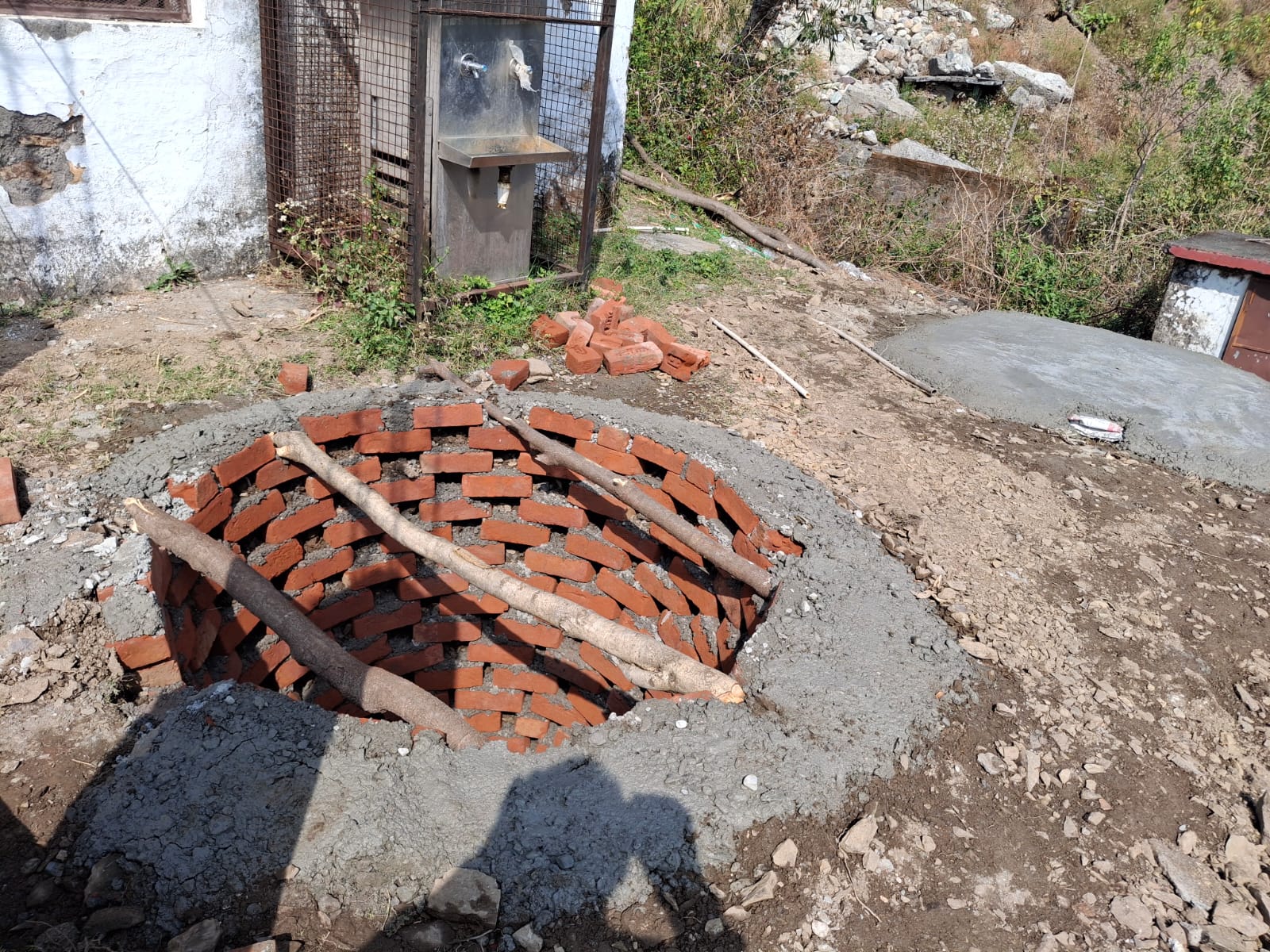
Importance of Twin Pits in Eco-Friendly Toilets
Eco-friendly or eco-family toilets, commonly known as twin-pit toilets, are a sustainable solution for improving sanitation, especially in rural areas. The most important feature of this system is the use of two pits, which makes it efficient, hygienic, and environmentally safe.
The primary purpose of having two pits is alternate usage. When one pit gets filled, it is sealed and the second pit is used. Over time, the waste in the sealed pit decomposes naturally and turns into safe, odorless compost. This process usually takes about 1 to 2 years, after which the compost can be handled safely.
Another key benefit is environmental protection. The twin-pit system ensures proper disposal of human waste without contaminating soil or groundwater. It requires very little water, making it highly suitable for areas facing water scarcity.
The system is also cost-effective and low maintenance. Unlike septic tanks, it does not require frequent cleaning or expensive machinery. Once one pit is full, it is simply closed, reducing operational costs.
Additionally, the decomposed waste becomes useful organic manure. This compost can be used in agriculture, improving soil fertility and reducing dependence on chemical fertilizers.
In conclusion, the twin-pit system in eco-family toilets is a simple, affordable, and sustainable sanitation solution. It promotes cleanliness, protects the environment, conserves water, and provides economic benefits, making it an ideal choice for community development.