Importance of Twin Pits in Eco-Friendly Toilets
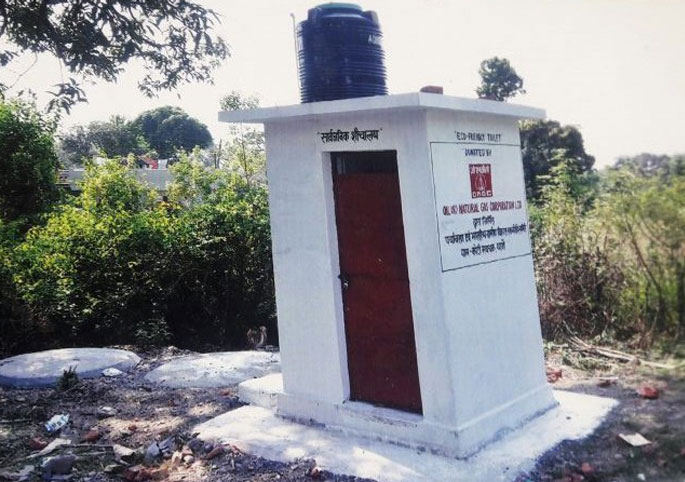
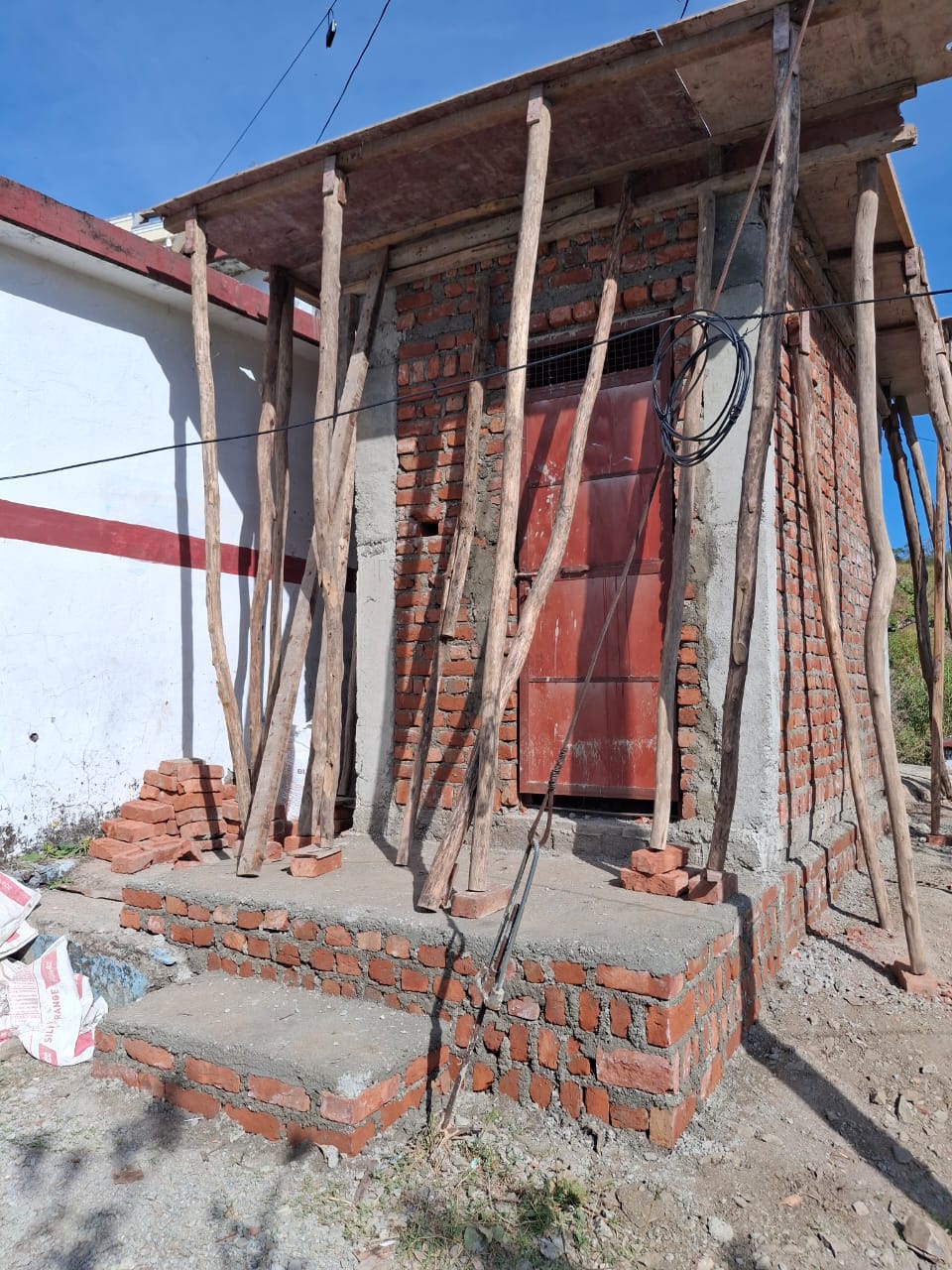
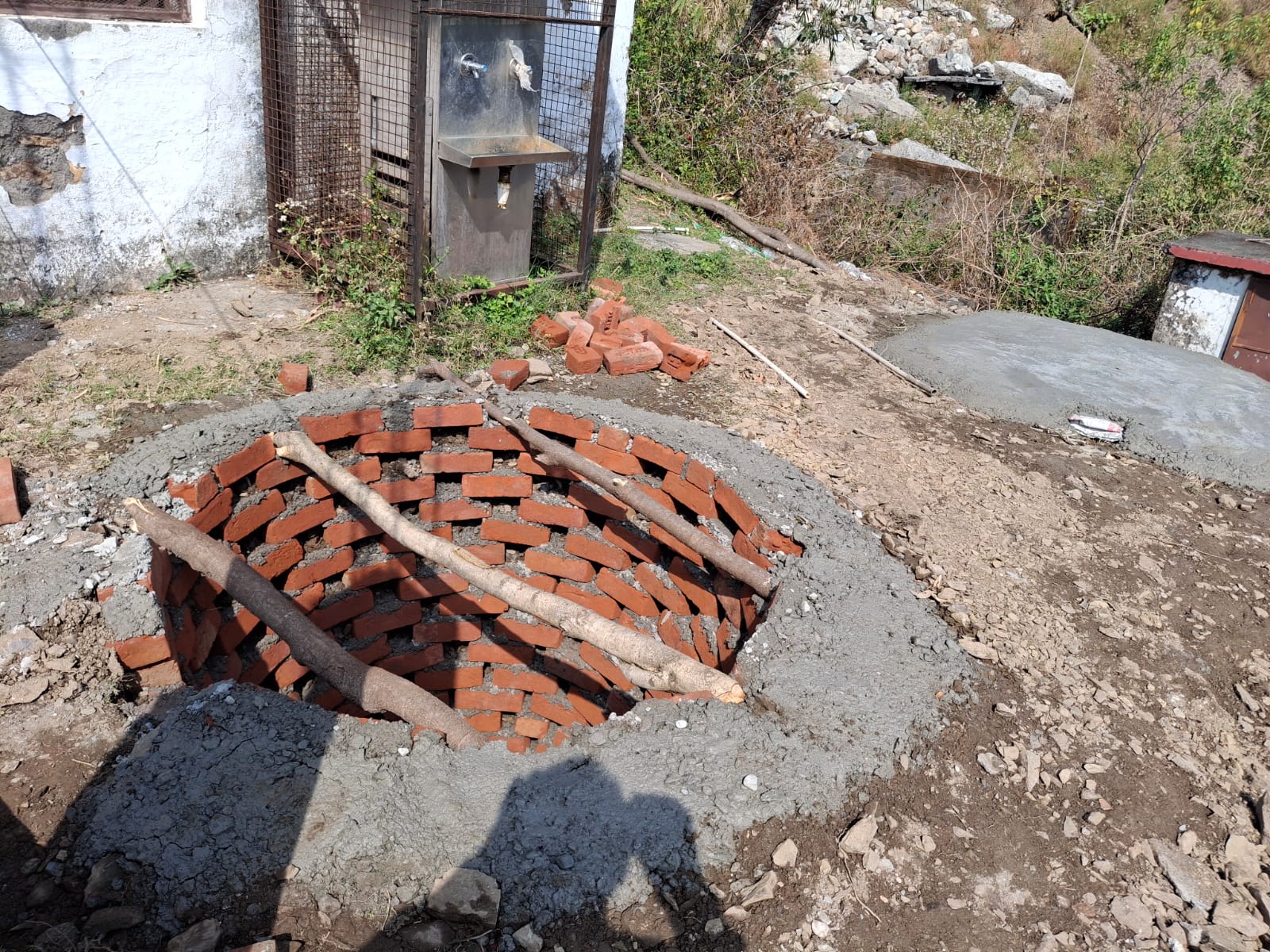
Eco-friendly or eco-family toilets, commonly known as twin-pit toilets, are a sustainable solution for improving sanitation, especially in rural areas. The most important feature of this system is the use of two pits, which makes it efficient, hygienic, and environmentally safe.
The primary purpose of having two pits is alternate usage. When one pit gets filled, it is sealed and the second pit is used. Over time, the waste in the sealed pit decomposes naturally and turns into safe, odorless compost. This process usually takes about 1 to 2 years, after which the compost can be handled safely.
Another key benefit is environmental protection. The twin-pit system ensures proper disposal of human waste without contaminating soil or groundwater. It requires very little water, making it highly suitable for areas facing water scarcity.
The system is also cost-effective and low maintenance. Unlike septic tanks, it does not require frequent cleaning or expensive machinery. Once one pit is full, it is simply closed, reducing operational costs.
Additionally, the decomposed waste becomes useful organic manure. This compost can be used in agriculture, improving soil fertility and reducing dependence on chemical fertilizers.
In conclusion, the twin-pit system in eco-family toilets is a simple, affordable, and sustainable sanitation solution. It promotes cleanliness, protects the environment, conserves water, and provides economic benefits, making it an ideal choice for community development.